

The Critical Role of Tube Selection in PRP Preparation

At Manson PRP, we believe that exceptional results begin with a strong foundation. As part of our ongoing PRP educational series, we explore the often-overlooked factors that separate average platelet-rich plasma (PRP) from truly high-quality, clinically reliable PRP.
The Critical Role of Tube Selection in PRP Preparation
One of the most critical—yet frequently underestimated—variables in PRP production is tube selection. While many clinicians focus on centrifugation parameters or activation methods, the choice of collection tube directly influences platelet integrity, plasma yield, and overall treatment consistency.
In this article, we break down why the right tube matters, what to look for, and how this simple decision impacts patient outcomes.
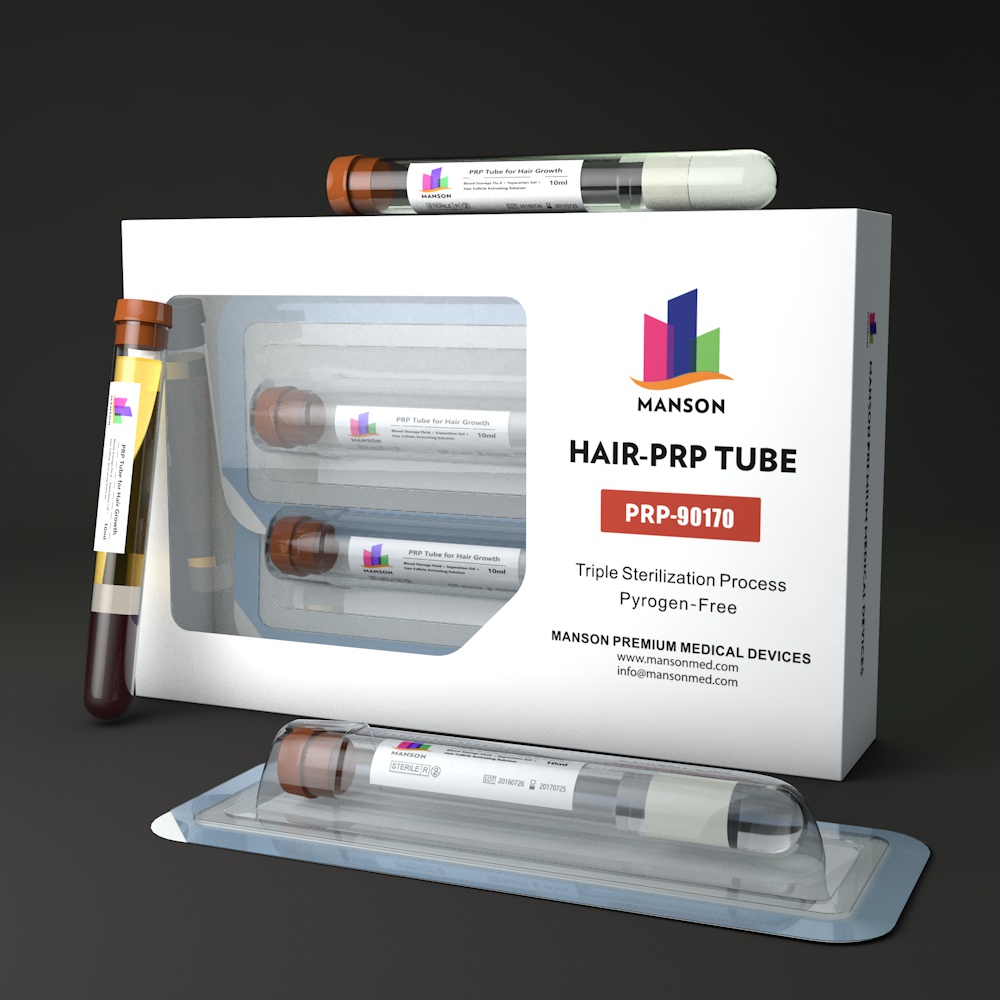
Why Tube Selection Matters More Than You Think
PRP preparation is a multi-step process that begins the moment blood is drawn. The collection tube is not merely a container—it is an active component that preserves the biological material and sets the stage for successful separation.
Using the appropriate tube:
Preserves platelet quality – maintains viability and prevents premature activation
Maximizes plasma yield – ensures efficient separation and concentration of platelets
Ensures a safe and consistent process – reduces variability between preparations and minimizes contamination risk
Despite its importance, this step is often overlooked, even by experienced clinicians. Inconsistent tube choices can lead to unpredictable gel formation, poor platelet recovery, and suboptimal clinical outcomes—frustrating both practitioners and patients.
Understanding PRP Collection Tubes: Key Features
Not all blood collection tubes are created equal. For PRP applications, the ideal tube should include:
- Anticoagulant Compatibility
Most PRP systems require a specific anticoagulant—typically sodium citrate or ACD (acid citrate dextrose) —to prevent clotting during processing. The type and concentration of anticoagulant must match the intended separation protocol to maintain platelet viability without interfering with gel formation. - Gel Separator
High-quality PRP tubes often contain a thixotropic gel separator that creates a physical barrier between plasma and cellular components after centrifugation. This ensures a cleaner harvest of platelet-rich plasma and reduces operator-dependent variability. - Sterility & Regulatory Compliance
Tubes must be sterile, endotoxin-free, and manufactured under stringent quality standards. Using medical-grade tubes approved for blood collection minimizes the risk of contamination and ensures patient safety. - Temperature & Storage Stability
Some PRP systems require tubes to be processed within a specific timeframe. Tubes designed with optimal material properties help maintain sample stability during transport and centrifugation.
How the Wrong Tube Compromises PRP Quality
Choosing an incompatible or low-quality tube can introduce several problems:
Platelet activation before separation – leads to clumping and reduced functional platelet count
Poor plasma separation – results in low platelet concentration and variable consistency
Contamination – non-sterile tubes introduce bacteria or endotoxins, posing safety risks
Inconsistent gel formation – critical for Plasma Filler (Bio gel) applications; improper anticoagulant or tube surface can prevent proper gelation
In the context of Plasma Filler, where the final product must transform into a stable, injectable gel, tube selection becomes even more crucial. The heating and cooling phases rely on a pristine, high-quality plasma base—compromised at the tube stage, the entire procedure suffers.
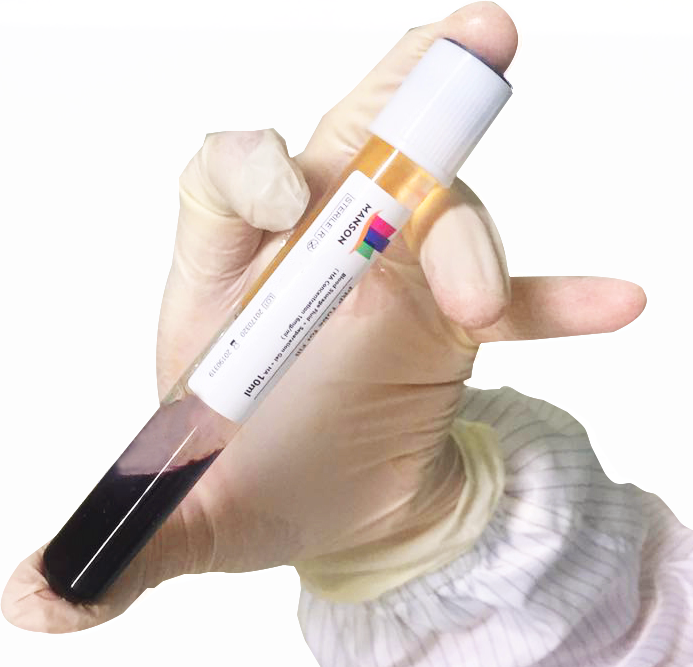
Optimizing Your PRP Workflow with the Right Tube
For practitioners aiming to deliver consistent, predictable results, integrating proper tube selection into the PRP protocol is a simple yet powerful upgrade. At Manson PRP, we provide a complete system designed to take the guesswork out of tube selection. Our PRP and Plasma Filler kits include:
Precision‑engineered tubes with optimal anticoagulant and gel barrier
Validated protocols for centrifugation and activation
Step‑by‑step guidance to ensure reproducibility
By standardizing the tube used in your practice, you eliminate a major source of variability, allowing you to focus on patient care and aesthetic outcomes.