

PRP for Dry Eyes: A Revolutionary Natural Treatment for Chronic Dry Eye Syndrome

The Growing Dry Eye Epidemic
Dry eye disease (DED) affects over 340 million people globally, with many patients finding limited relief from artificial tears, anti-inflammatory drops, or punctal plugs. Platelet-Rich Plasma (PRP) eye drops have emerged as a breakthrough autologous biological treatment that harnesses the patient’s own healing mechanisms to restore ocular surface health. Unlike traditional options, PRP addresses the root causes of dry eyes: inflammation, epithelial damage, and tear film instability.
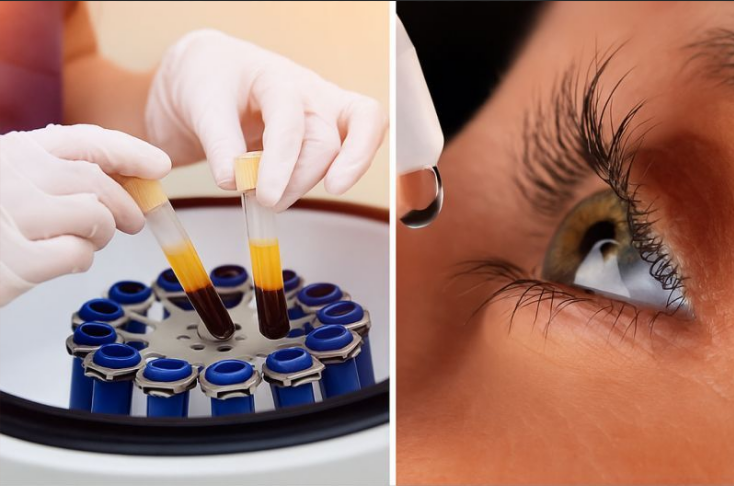
How PRP Eye Drops Work: The Science of Healing
PRP is derived from the patient’s blood through centrifugation, concentrating platelets 5–8× above baseline levels. These platelets contain powerful regenerative components:
Growth Factors: EGF (Epidermal Growth Factor), TGF-β (Transforming Growth Factor), and PDGF (Platelet-Derived Growth Factor) promote corneal epithelial repair.
Cytokines: Regulate inflammation and support nerve regeneration in the corneal surface.
Fibrin Matrix: Mimics the natural tear film structure, enhancing ocular surface protection.
Mechanism of Action:
Accelerates Corneal Healing: Growth factors stimulate the regeneration of damaged corneal epithelial cells.
Reduces Inflammation: Anti-inflammatory proteins (e.g., IL-1Ra) counteract cytokine-driven inflammation.
Restores Tear Film Homeostasis: Fibrin and nutrients stabilize the tear film layers.
Who Can Benefit from PRP for Dry Eyes?
Ideal Candidates Include:
Patients with moderate-to-severe DED unresponsive to conventional therapies.
Those with ocular surface diseases: Sjögren’s syndrome, graft-versus-host disease (GVHD), or neurotrophic keratitis.
Post-surgical cases: Post-LASIK, cataract surgery, or corneal transplant.
Contraindications:
Blood disorders (e.g., thrombocytopenia).
Active ocular infections.
Systemic anticoagulant therapy (may reduce platelet quality).
The PRP Eye Drop Preparation Protocol
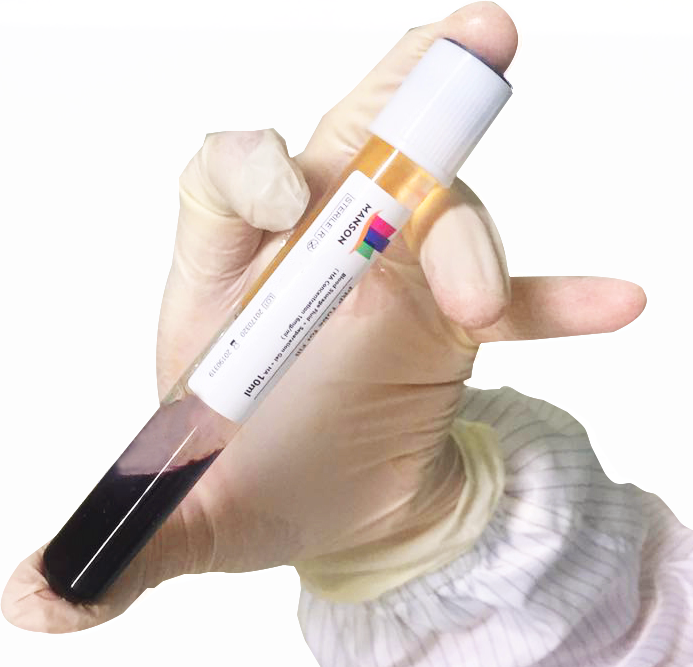
Blood Draw: 10–20 mL of venous blood collected into anticoagulant tubes.
Centrifugation: Single/double spin at 1,500–3,000 RPM to isolate platelet-rich plasma.
Formulation: PRP diluted with sterile saline (typically 20–50% concentration).
Storage: Aliquoted into sterile dropper bottles; stable for 3 months at -20°C.
Treatment Regimen:
Initial Phase: 1–2 drops, 4–6× daily for 4 weeks.
Maintenance: Gradually reduced to 2–3× daily based on symptom improvement.
Patient Experience and Safety Profile
Application: Painless, similar to using lubricating eye drops.
Side Effects: Mild transient stinging (<5% of cases); no systemic risks.
Clinical Monitoring: Corneal staining and OSDI scores tracked monthly.
🛡️ Safety Note: As an autologous product, PRP eliminates risks of immune rejection or foreign additives.
The Future: PRP with Exosomes and Smart Formulations
PRP+Exosomes: Enhanced regenerative capacity for severe ocular surface damage.
Temperature-Stable Lyophilized PRP: Extends shelf life for broader accessibility.
Telemedicine Integration: At-home blood collection kits with centralized processing.
PRP eye drops represent a paradigm shift in dry eye therapy by addressing the underlying pathophysiology rather than merely alleviating symptoms. With robust clinical evidence supporting its efficacy in recalcitrant DED, PRP offers a safe, natural, and potent solution for restoring ocular health.