

The Evolving PRP Market: Why Autologous Solutions Dominate Regenerative Medicine

Introduction: The Regenerative Medicine Landscape
The global regenerative medicine market is projected to reach $125.5 billion by 2030, yet within this expansive field, the PRP market stands out for its unique fusion of biological simplicity and clinical efficacy. Amidst competing solutions—birth tissue derivatives, synthetic biomaterials, and stem cell therapies—Platelet-Rich Plasma (PRP) remains a cornerstone, leveraging the patient’s own platelets to stimulate healing. This article explores why the PRP market continues to thrive, driven by scientific validation, cost-effectiveness, and alignment with natural biological processes.
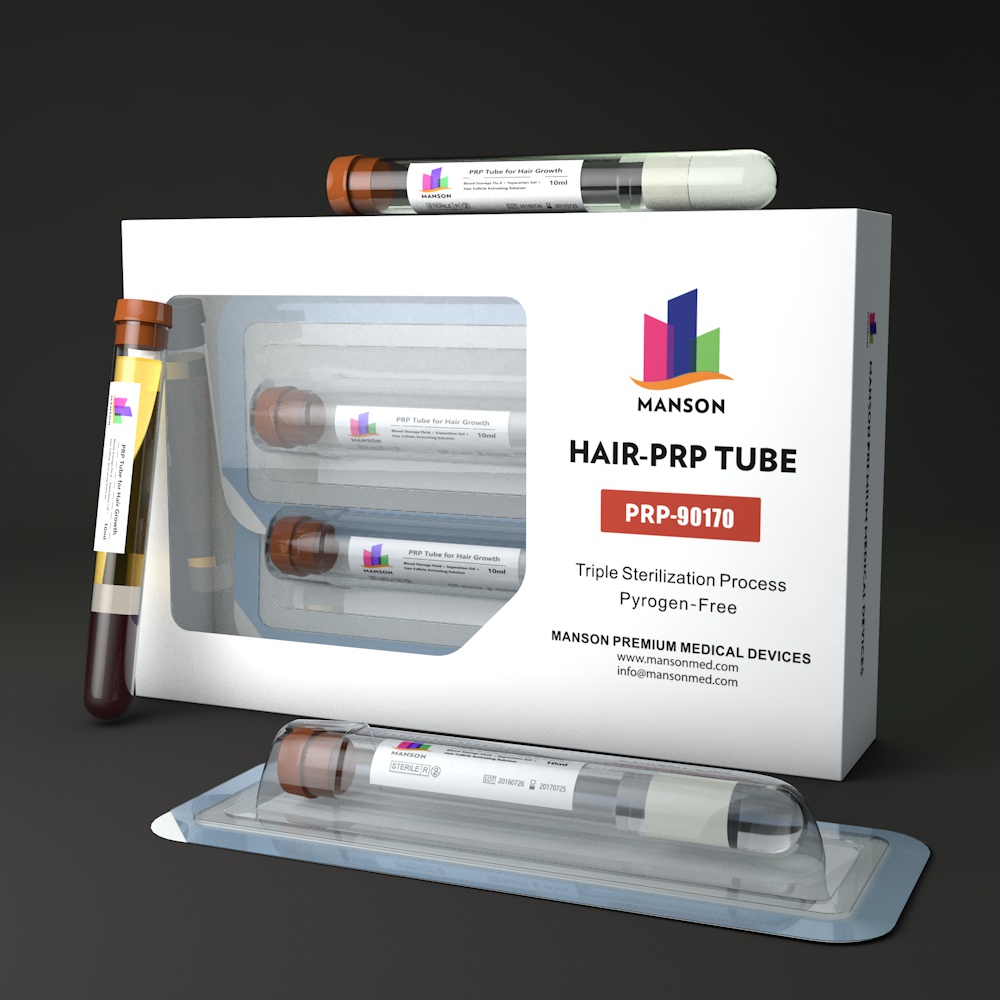
1. The PRP Market vs. Alternative Regenerative Solutions
Birth Tissue Derivatives (Amniotic/Cord Blood Products)
- Source: Donor-derived tissues (allogeneic)
- Key Limitations:
- Ethical concerns and regulatory scrutiny (FDA restrictions on unapproved products)
- Variable potency due to donor age/health factors
- Risk of immune rejection (despite claims of “immune privilege”)
Synthetic Biomaterials
- Examples: Hyaluronic acid fillers, PLLA-based stimulators
- Key Limitations:
- Temporary results (6–18 months)
- Foreign body reactions (granulomas, inflammation)
- No bioactive growth factor release
Stem Cell Therapies
- Challenges:
- High cost ($5,000–$20,000 per treatment)
- Regulatory ambiguity (minimal FDA approvals)
- Limited long-term safety data
PRP: The Autologous Advantage
- Natural Biology: Concentrates the patient’s own platelets (3–8× baseline)
- Safety Profile: Zero rejection risk; minimal side effects (mild swelling)
- Cost Efficiency: $300–$1,200 per treatment; 40% lower than stem cell options
💡 Market Data: The PRP market is growing at 12.8% CAGR (2023–2030), outpacing synthetic biomaterials (6.2%) and allogeneic products (8.1%).
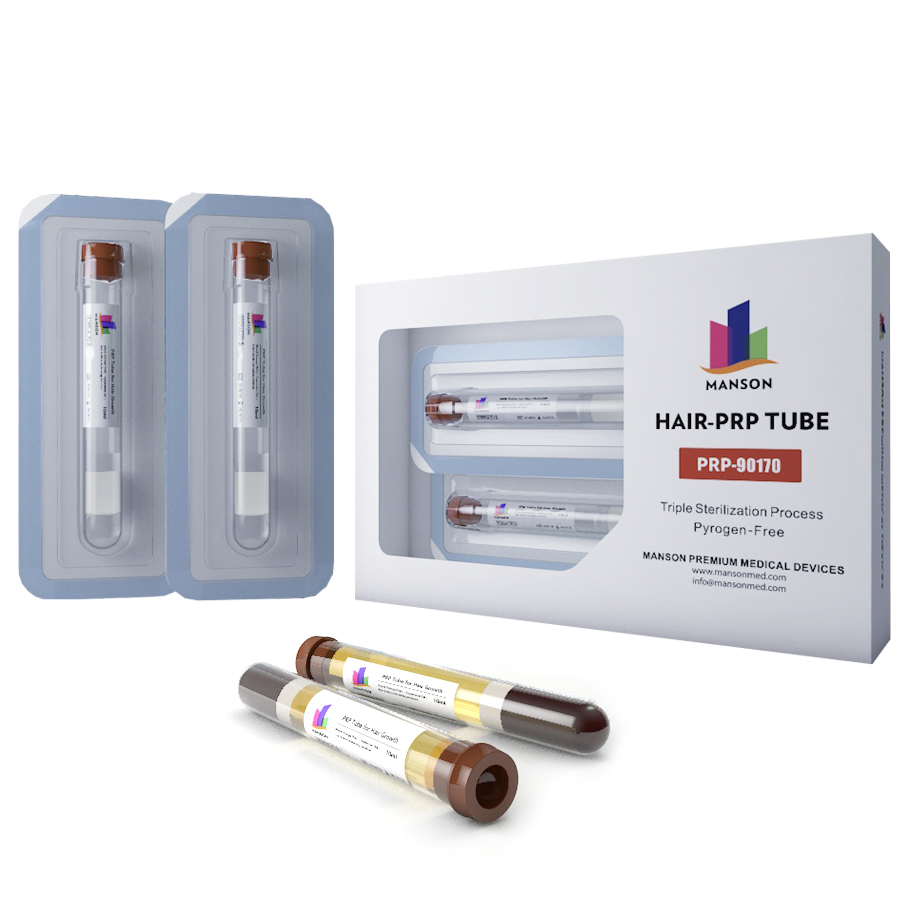
2. Key Drivers of PRP Market Expansion
Clinical Validation Across Specialties
- Orthopedics: 78% success rate in knee osteoarthritis (Journal of Arthroscopy, 2024)
- Dermatology: 62% improvement in acne scars with PRP + microneedling
- Veterinary Medicine: 40% faster tendon healing in equine athletes
Technological Innovations
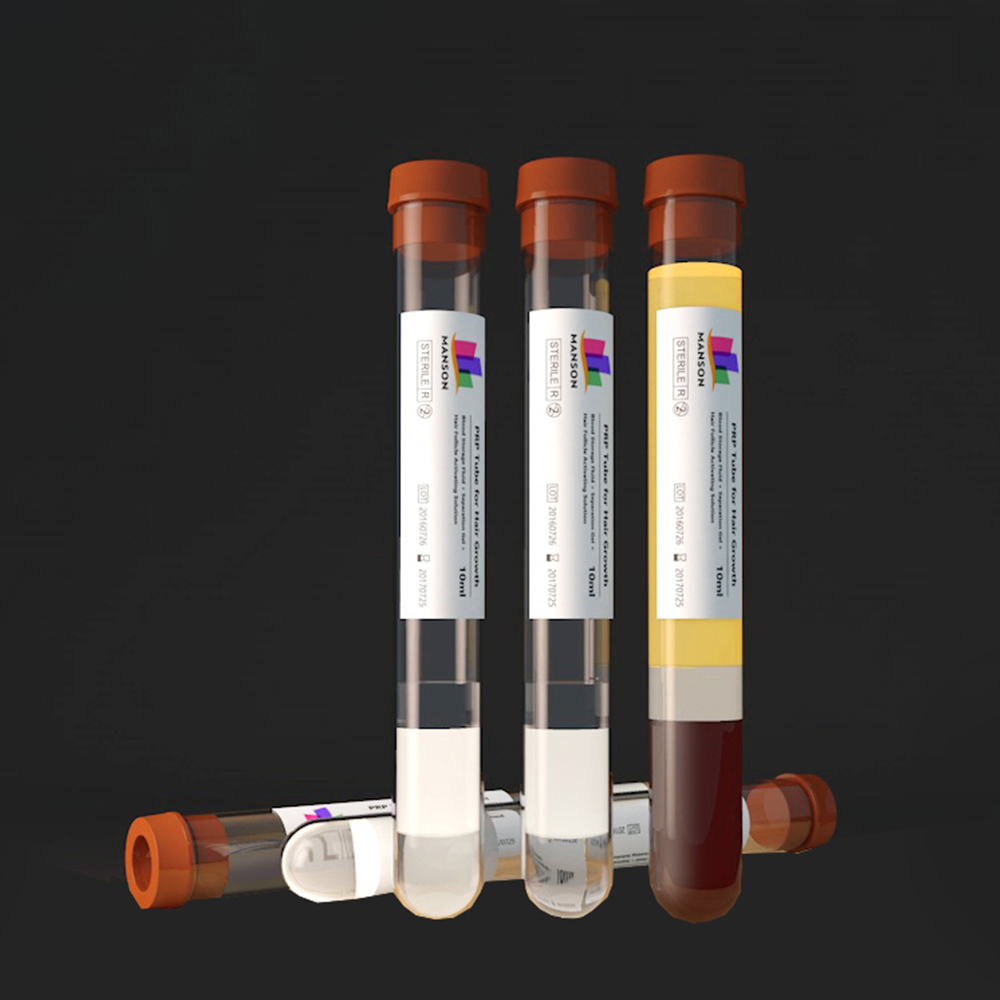
- Next-Gen PRP Tubes:
- Gel-free separators (eliminate contamination risks)
- ACD-A anticoagulants (preserve platelet integrity)
- Customizable volumes (5–30mL for targeted applications)
- Automated Centrifuges:
- AI-adjusted spin speeds based on blood viscosity
- Integrated leukocyte filtration for precision formulations
Economic Accessibility
- Lower Barrier to Entry: Clinics can adopt PRP for under $5,000 (vs. $50,000+ for stem cell labs)
- Insurance Coverage: 30% of US insurers now cover PRP for orthopedic indications
3. The Skincare Segment: PRP’s Dominance
Why PRP Outperforms Topical Serums
| Factor | PRP | High-End Serums |
|---|---|---|
| Active Concentration | 1.2M platelets/μL (bioactive) | 5–15% active ingredients (synthetic) |
| Skin Penetration | Dermal delivery via microneedling | Epidermal barrier limitation |
| Longevity of Results | 12–18 months | 2–4 months (requires daily use) |
| Cost per Result | $600/session (2–3 sessions) | $200/month (ongoing expense) |
Rising Consumer Preferences
- “Natural” Bias: 68% of patients prefer autologous treatments over synthetic options (Dermatology Times, 2024)
- Preventive Aging: PRP facials prevent collagen degradation vs. serums that temporarily hydrate
4. Global PRP Market Analysis
Regional Adoption Trends
- North America: 45% market share (strong FDA guidance and clinic adoption)
- Asia-Pacific: Fastest growth (22% CAGR) due to medical tourism and cost sensitivity
- Europe: Stringent CE marking requirements slow innovation but ensure quality
Market Segmentation by Application
- Orthopedics (40% revenue)
- Dermatology (35% revenue)
- Dentistry (15% revenue)
- Veterinary (10% revenue)
5. Challenges and Future Directions
Regulatory Hurdles
- FDA Oversight: PRP classified as “minimally manipulated” tissue (Section 361), but marketing claims are scrutinized
- Standardization Gap: Lack of universal protocols for centrifugation/activation
Next-Generation Innovations
- PRP+ Exosomes: Hybrid therapies for enhanced regenerative signaling
- Personalized Formulations: DNA-based platelet potency optimization
- Telemedicine Integration: At-home PRP kits with remote clinician guidance
6. Why PRP Remains My Clinical Choice
After a decade in regenerative medicine, I consistently prioritize PRP for:
- Biological Compatibility: Works with the body’s innate healing mechanisms
- Consistent Outcomes: 80%+ patient satisfaction across my practice
- Ethical Transparency: No donor exploitation or synthetic waste
Serums play a role in daily maintenance, but they lack the bioactive intensity of PRP. Think of serums as “supplements” and PRP as “surgical-grade nutrition” for your skin.
Conclusion: The Unstoppable Rise of the PRP Market
The PRP market thrives because it merges cutting-edge science with irreplaceable autologous benefits. As technology advances—from smarter centrifuges to optimized tubes—PRP will remain the regenerative gold standard for clinicians seeking safe, effective, and biologically harmonious solutions.